
The complete guide
The Ultimate Guide to Choosing a Bug Zapper
A bug zapper does something a spray can't: it keeps working, quietly, without putting chemicals into the air you breathe. But the units vary a lot, and the right choice depends on where you'll use it. Here's what actually matters.
Lamp, outdoor unit or swatter?
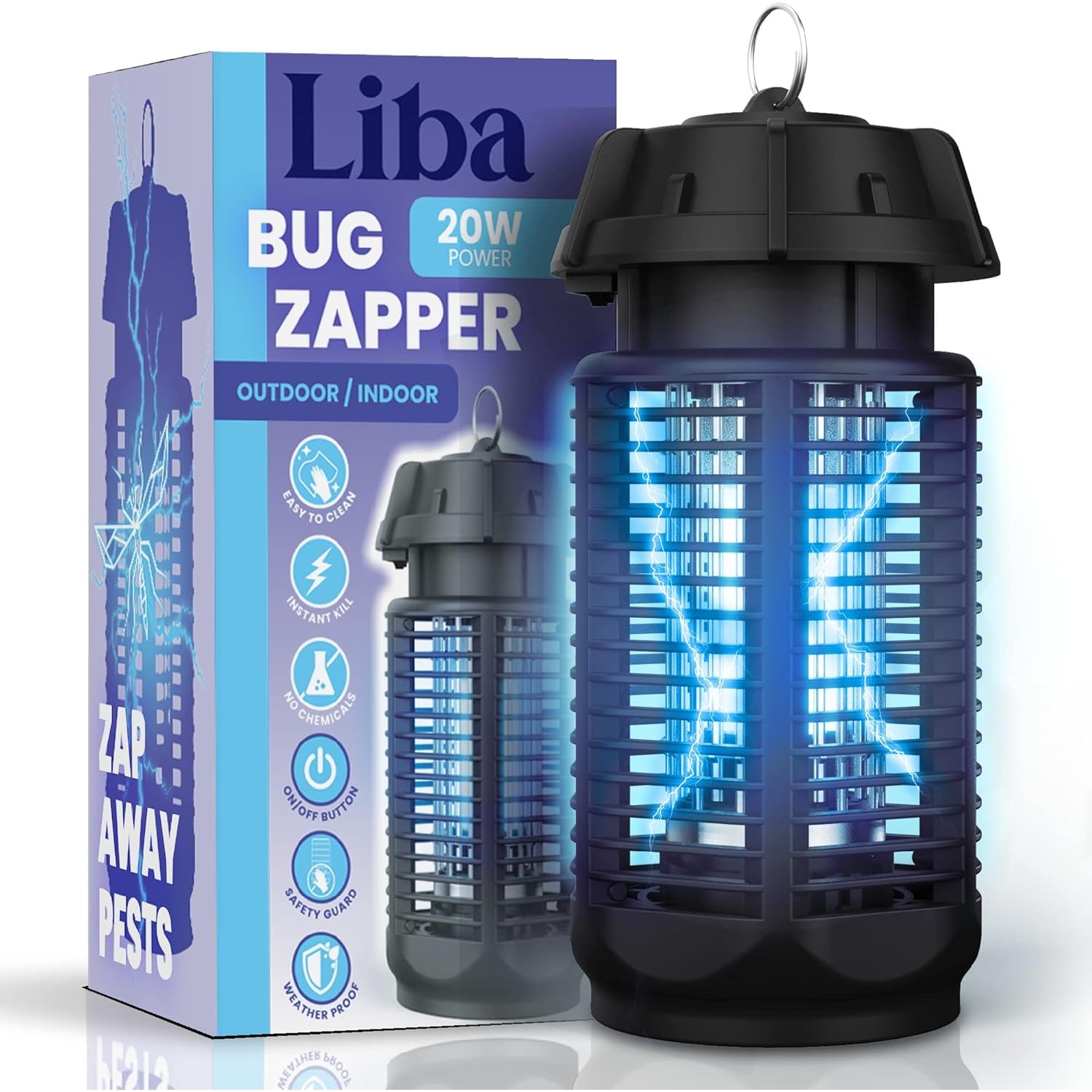
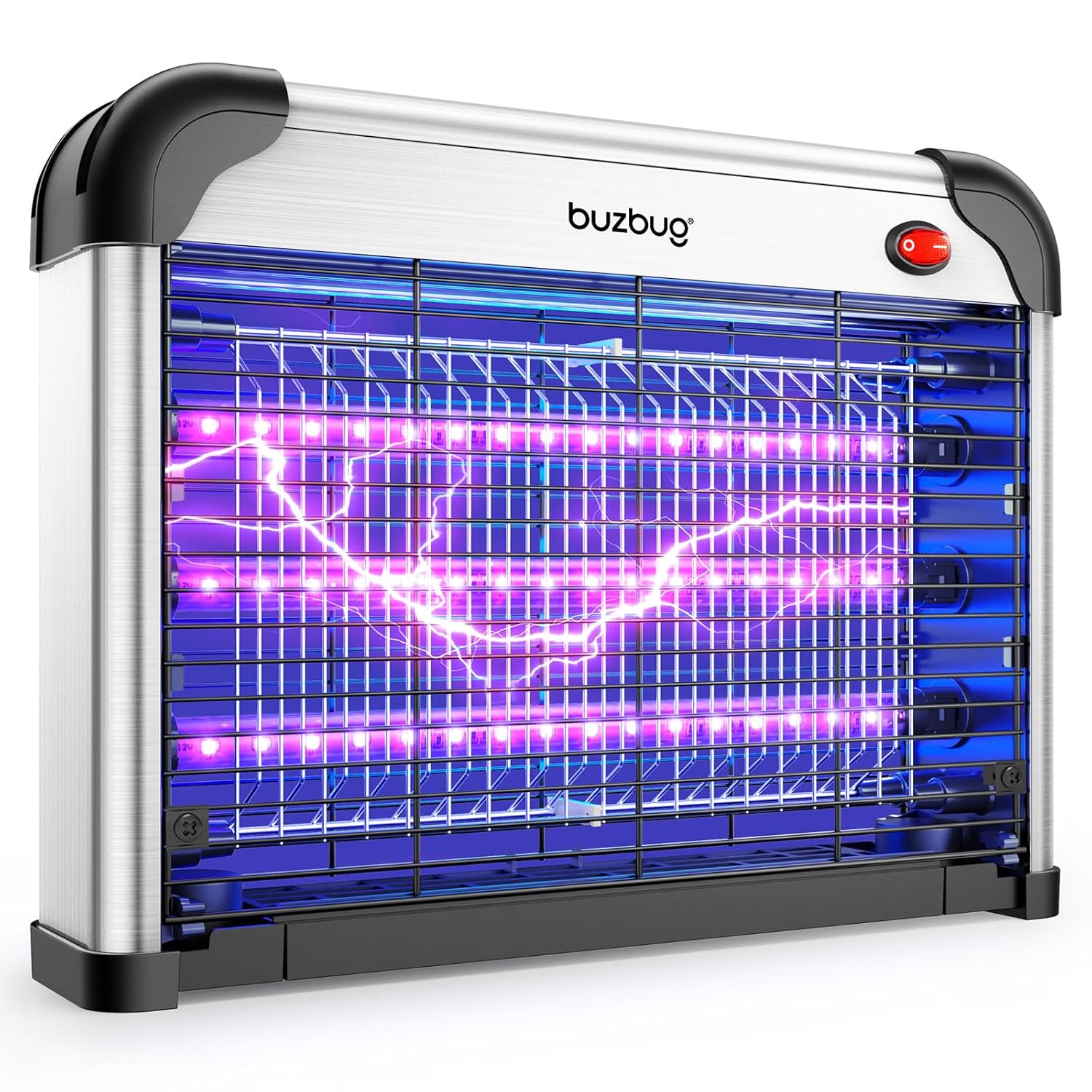
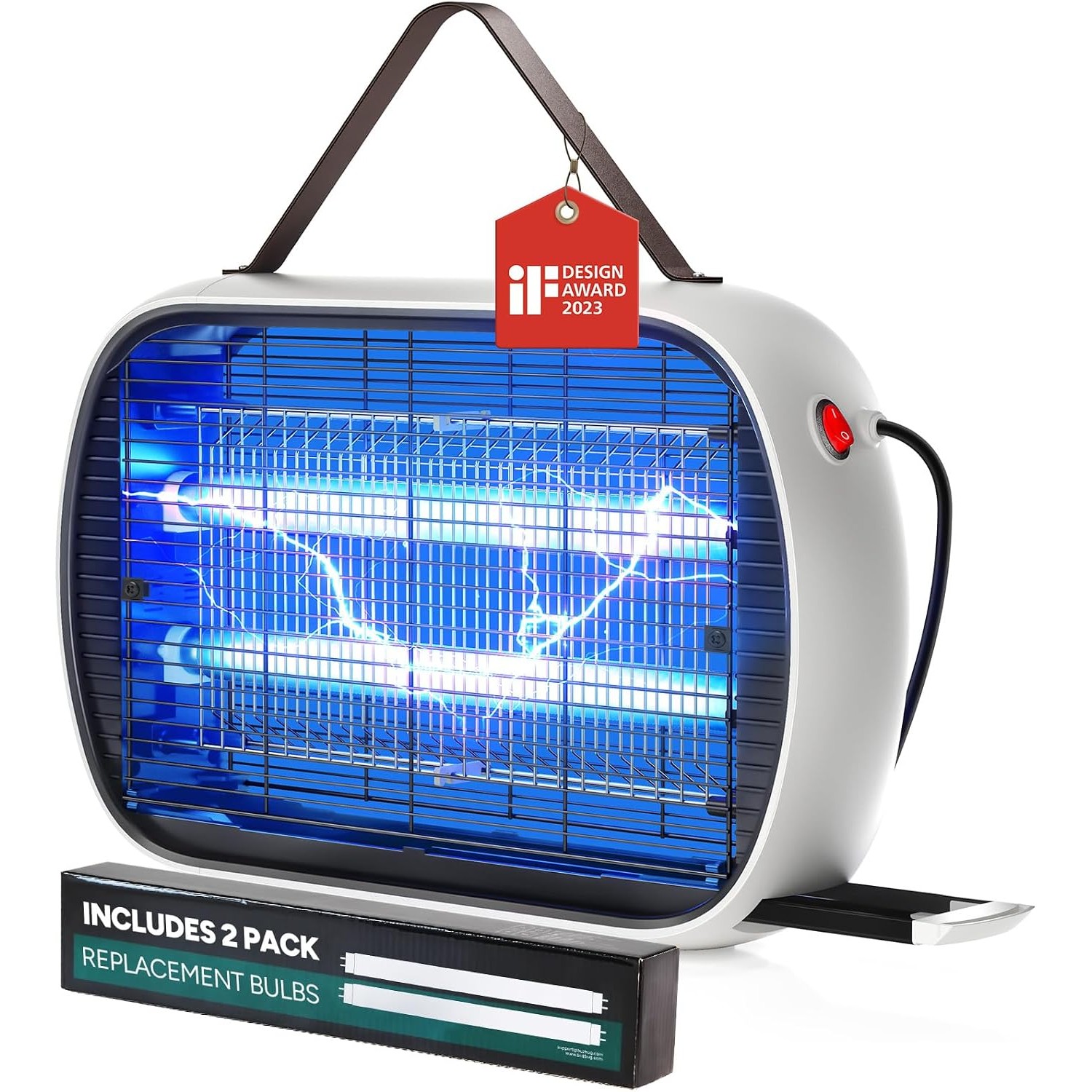
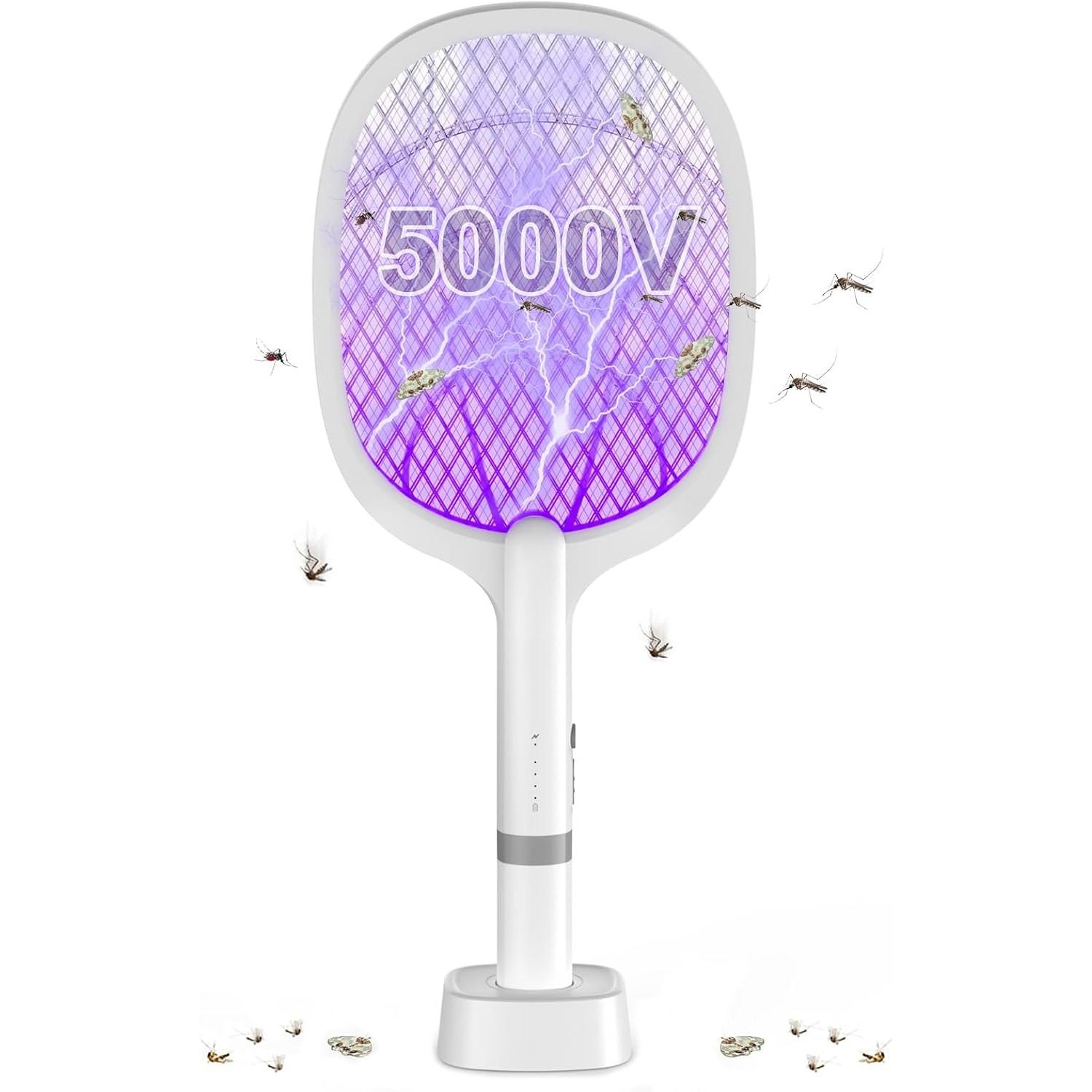
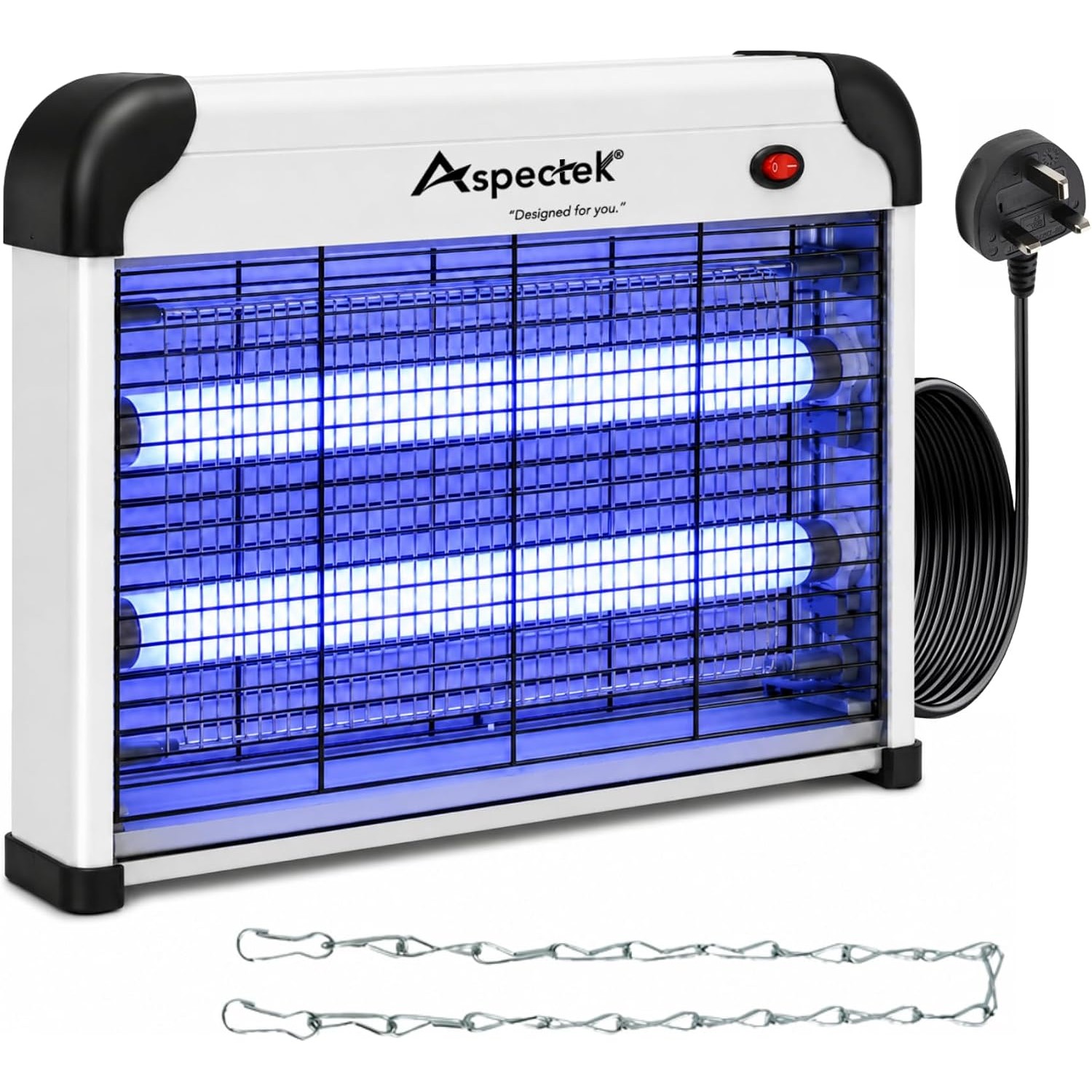
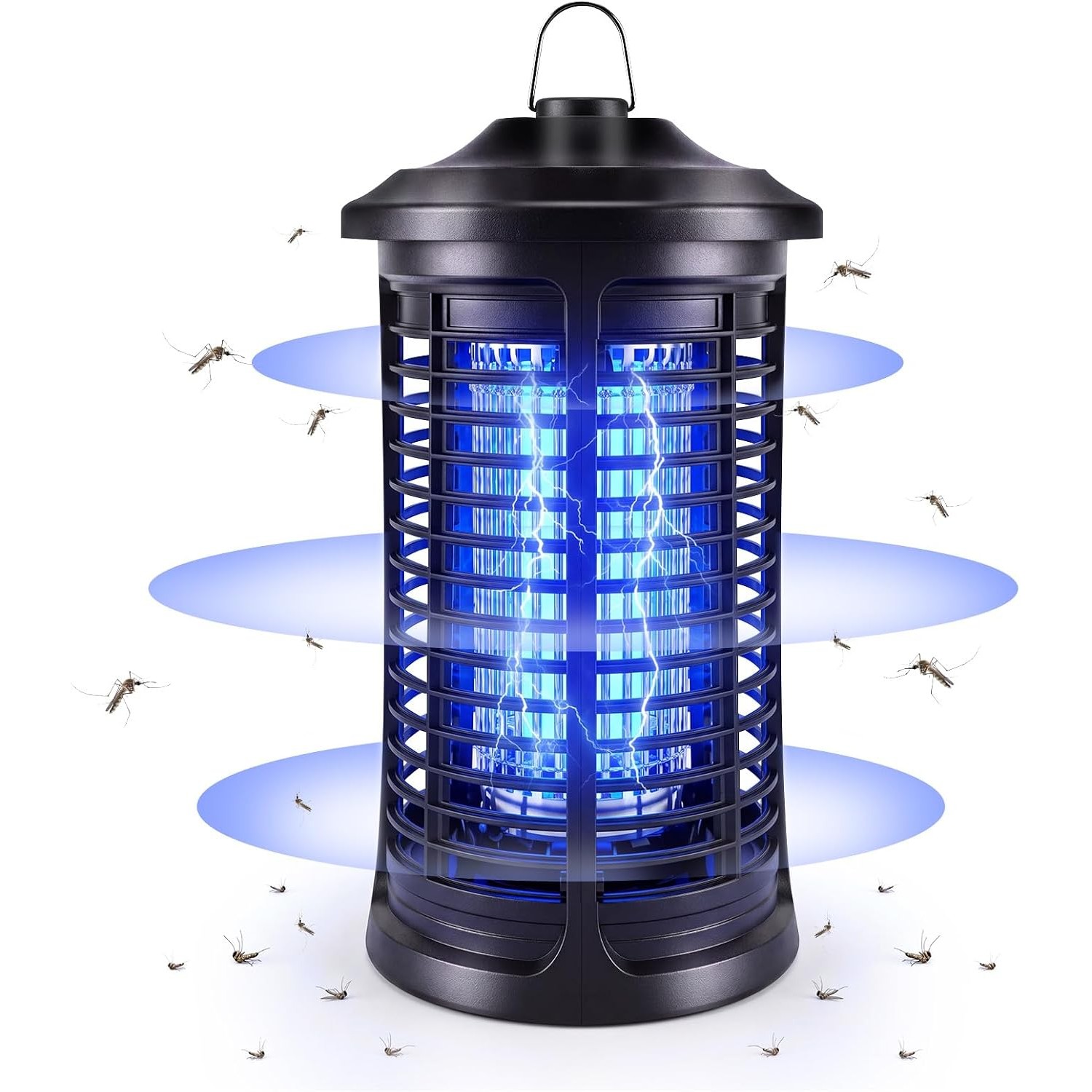
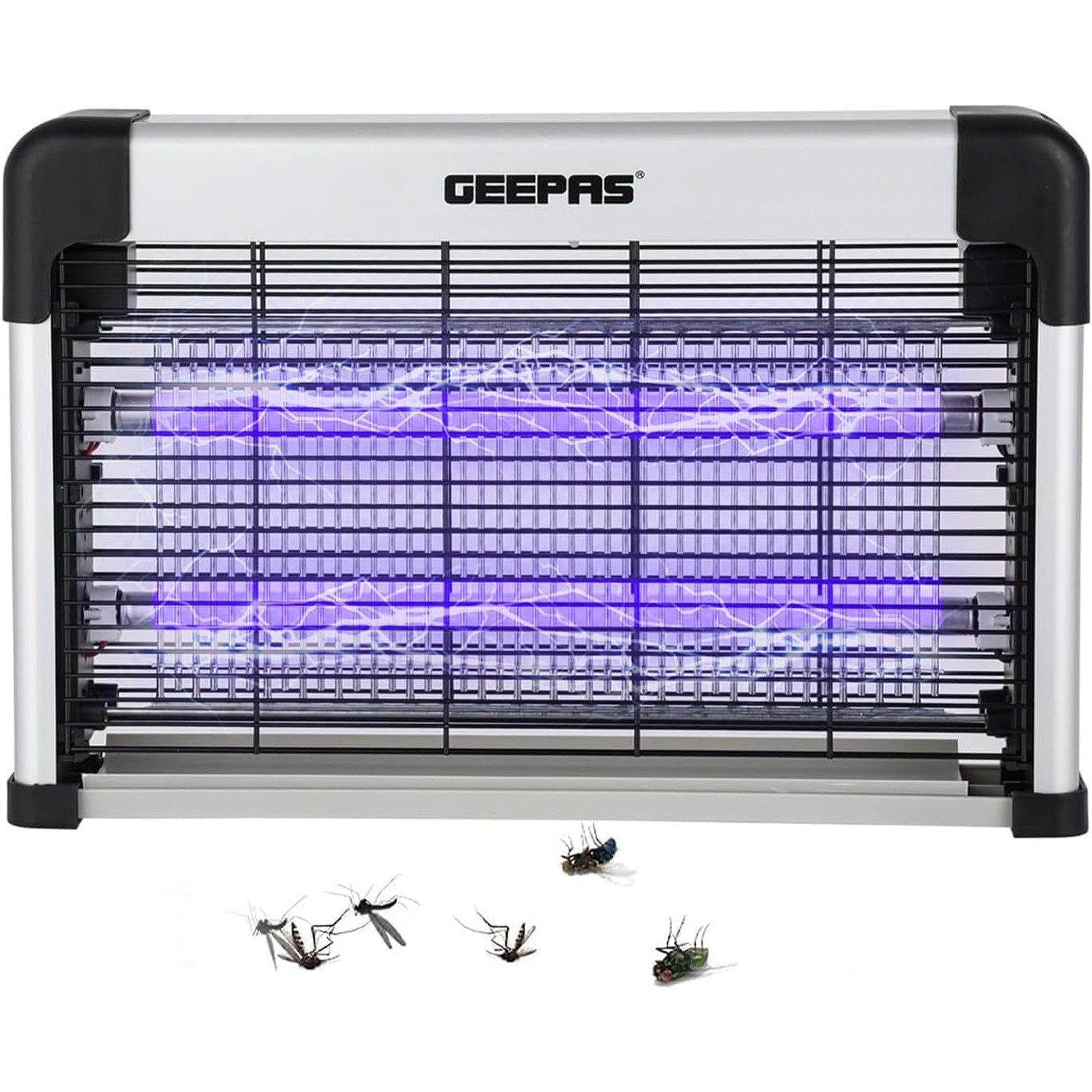
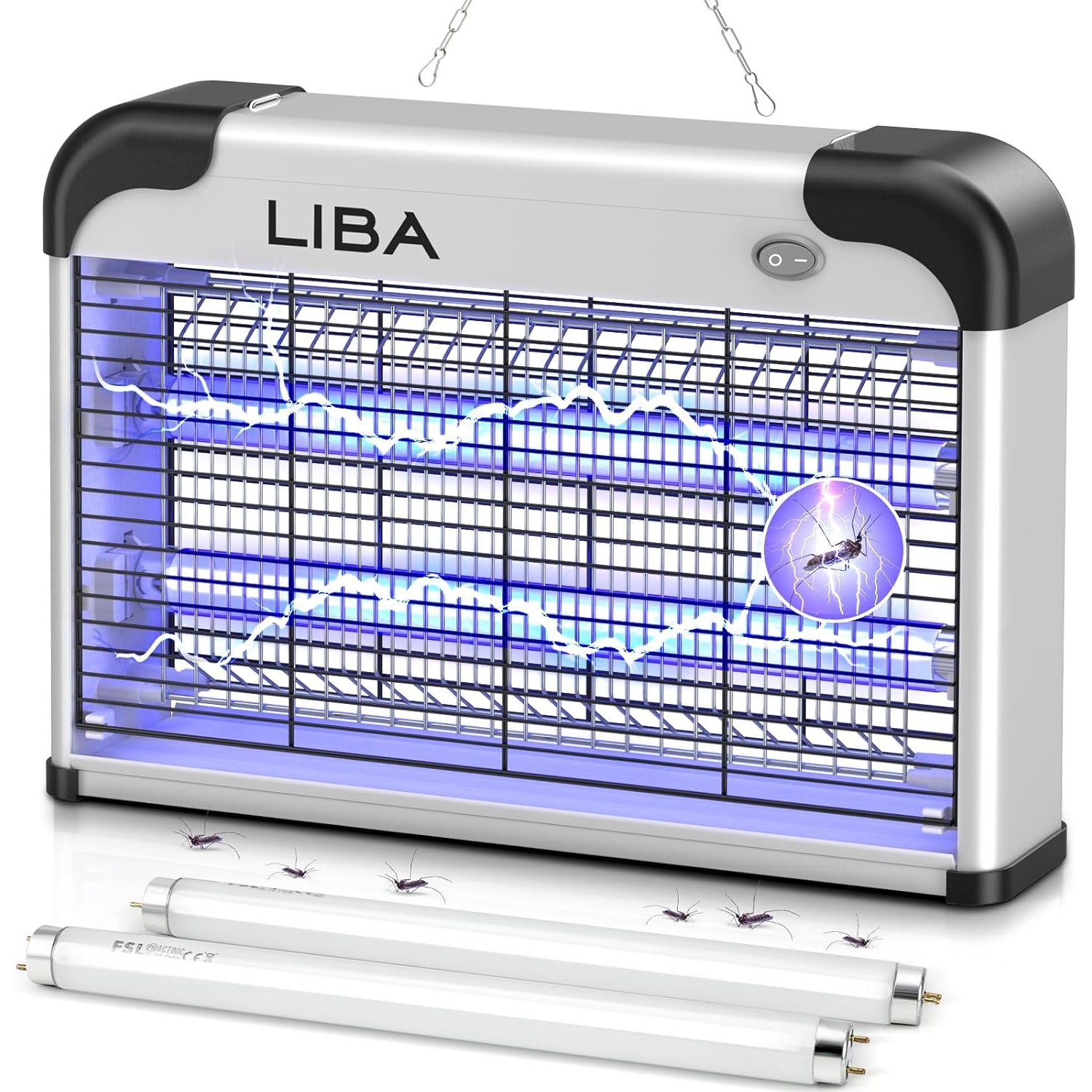
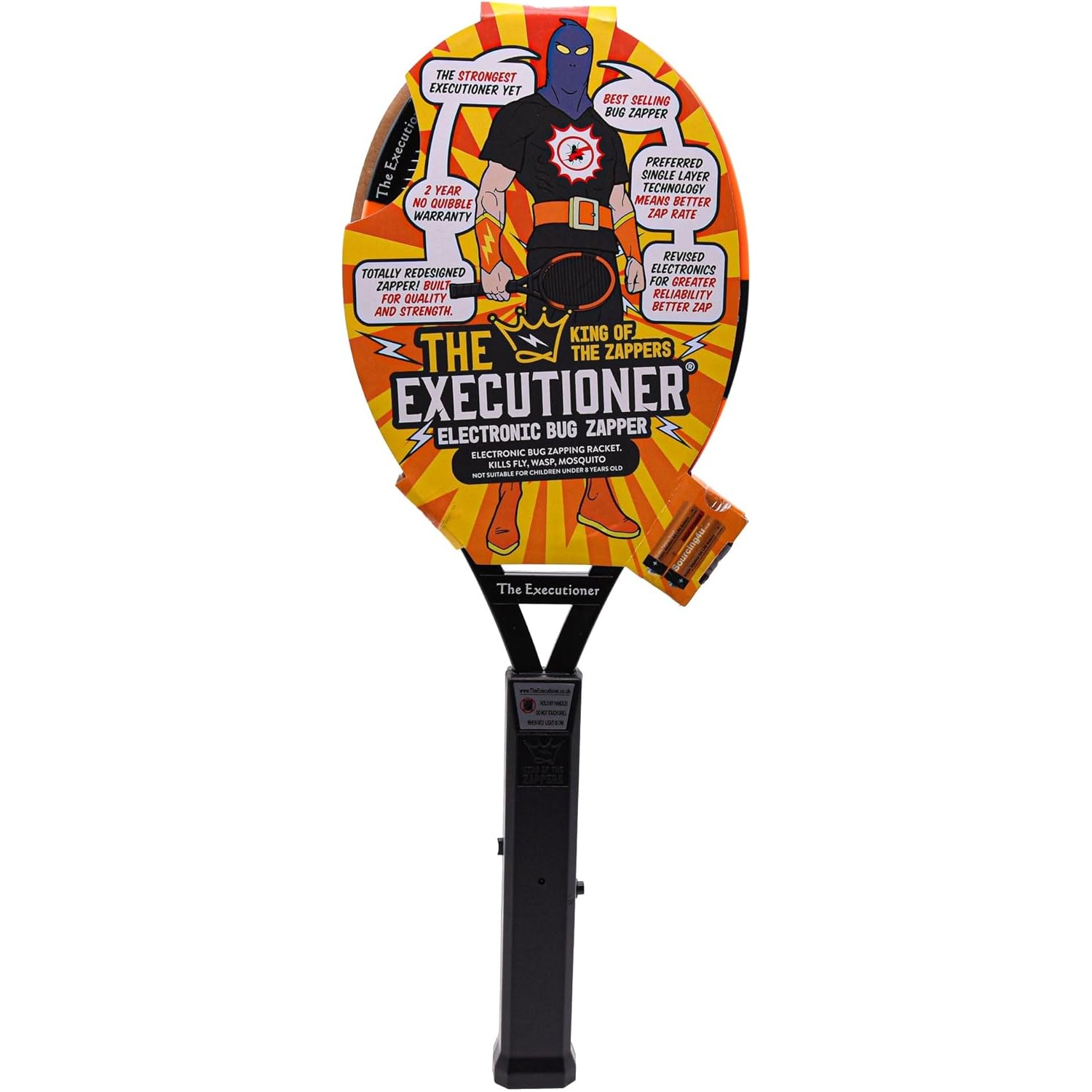
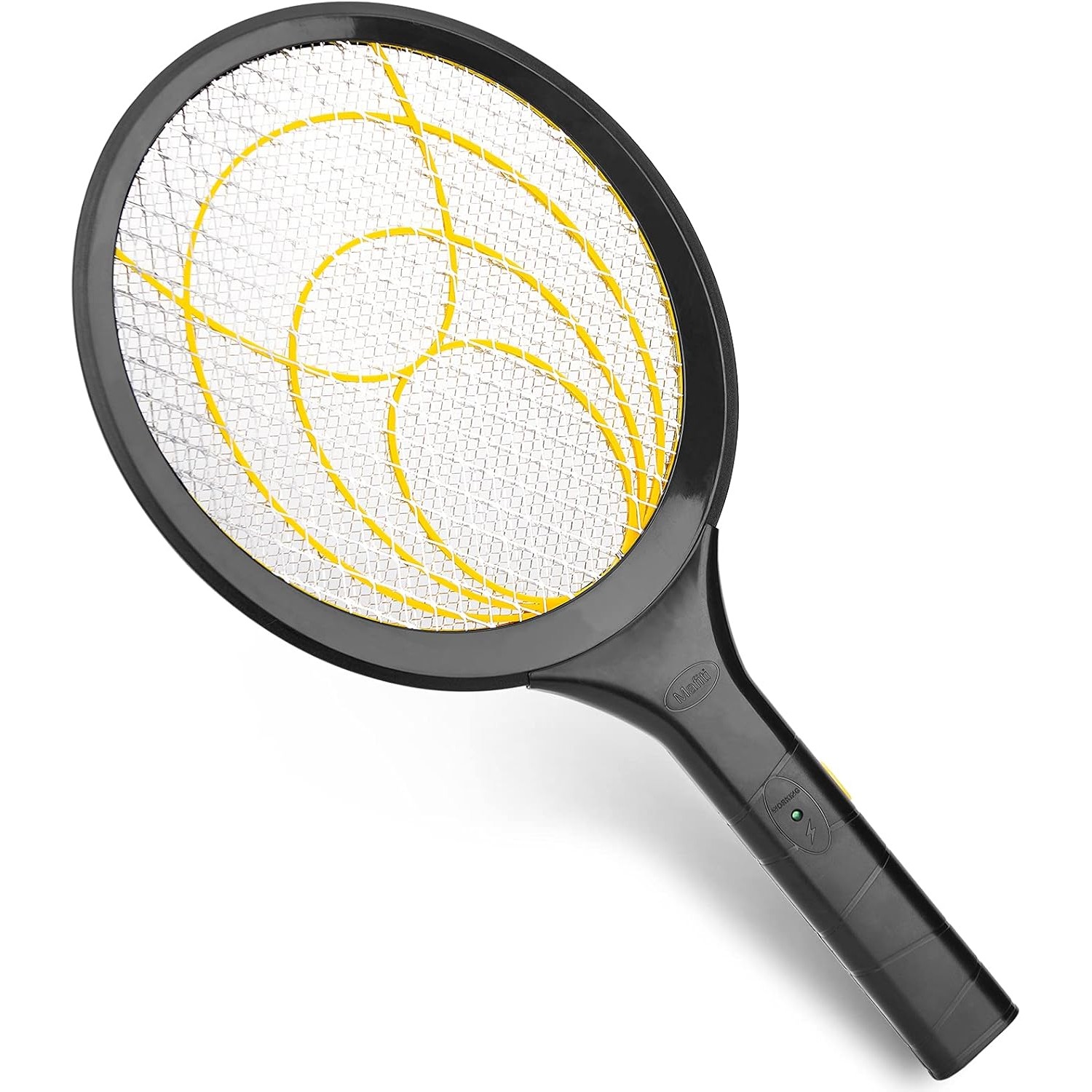
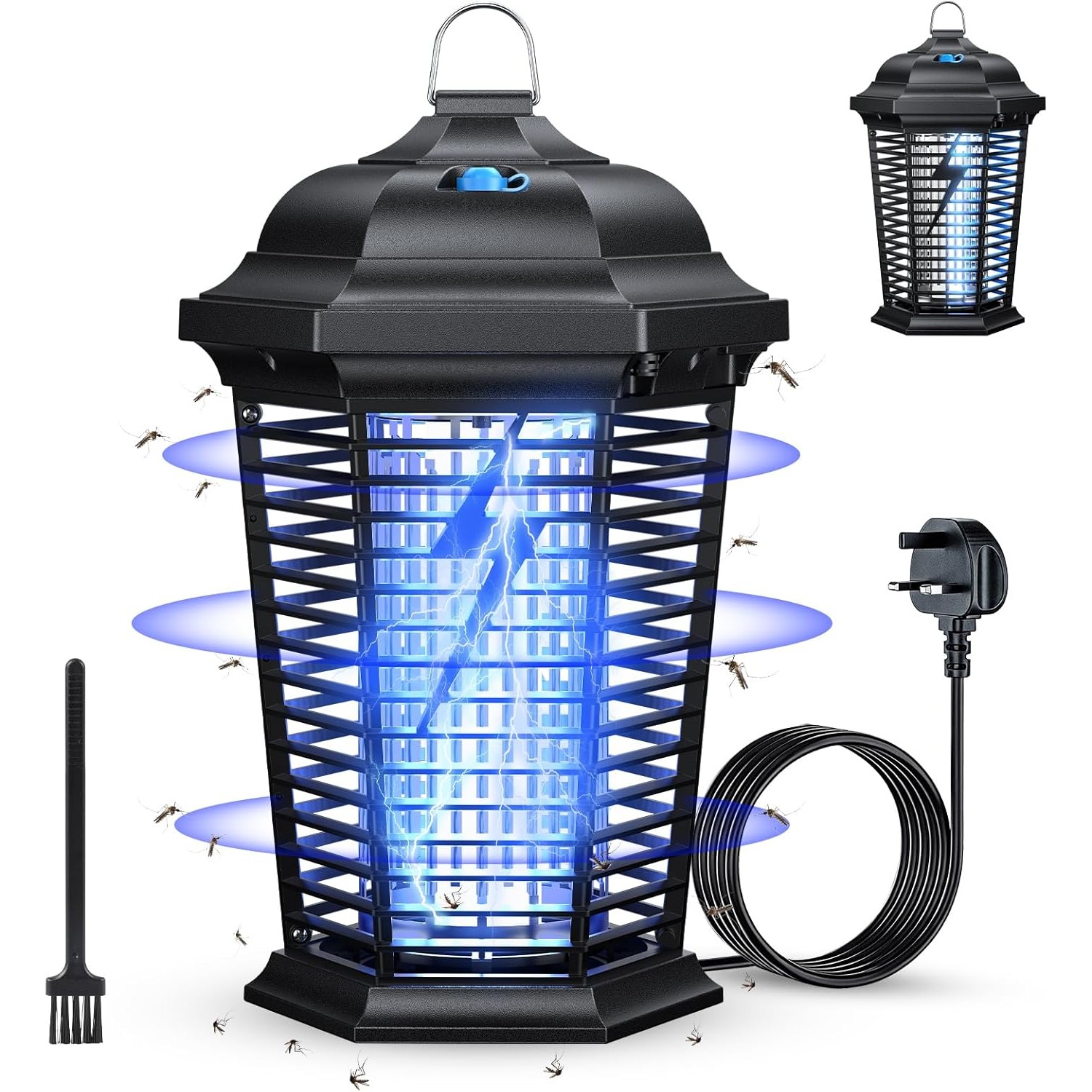
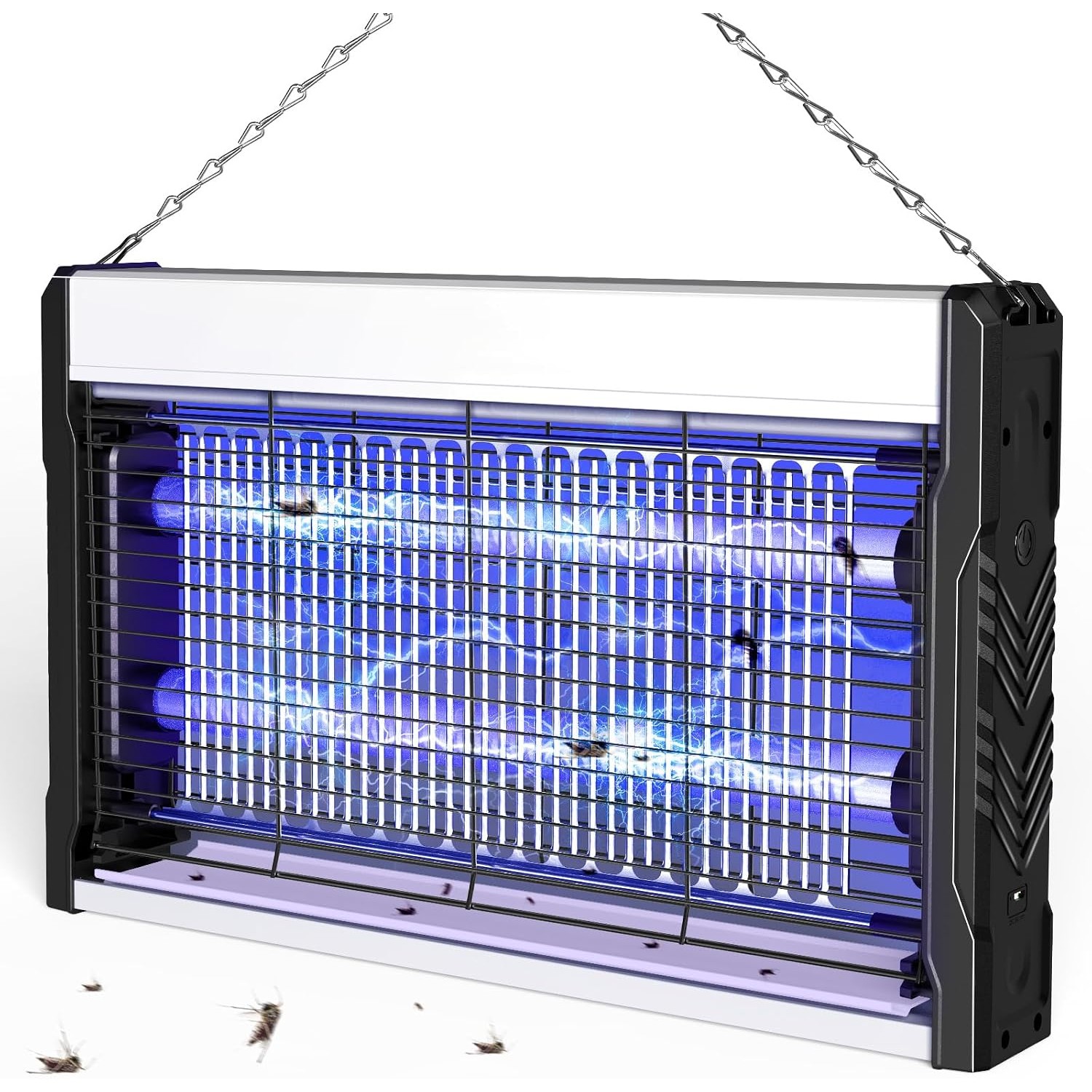
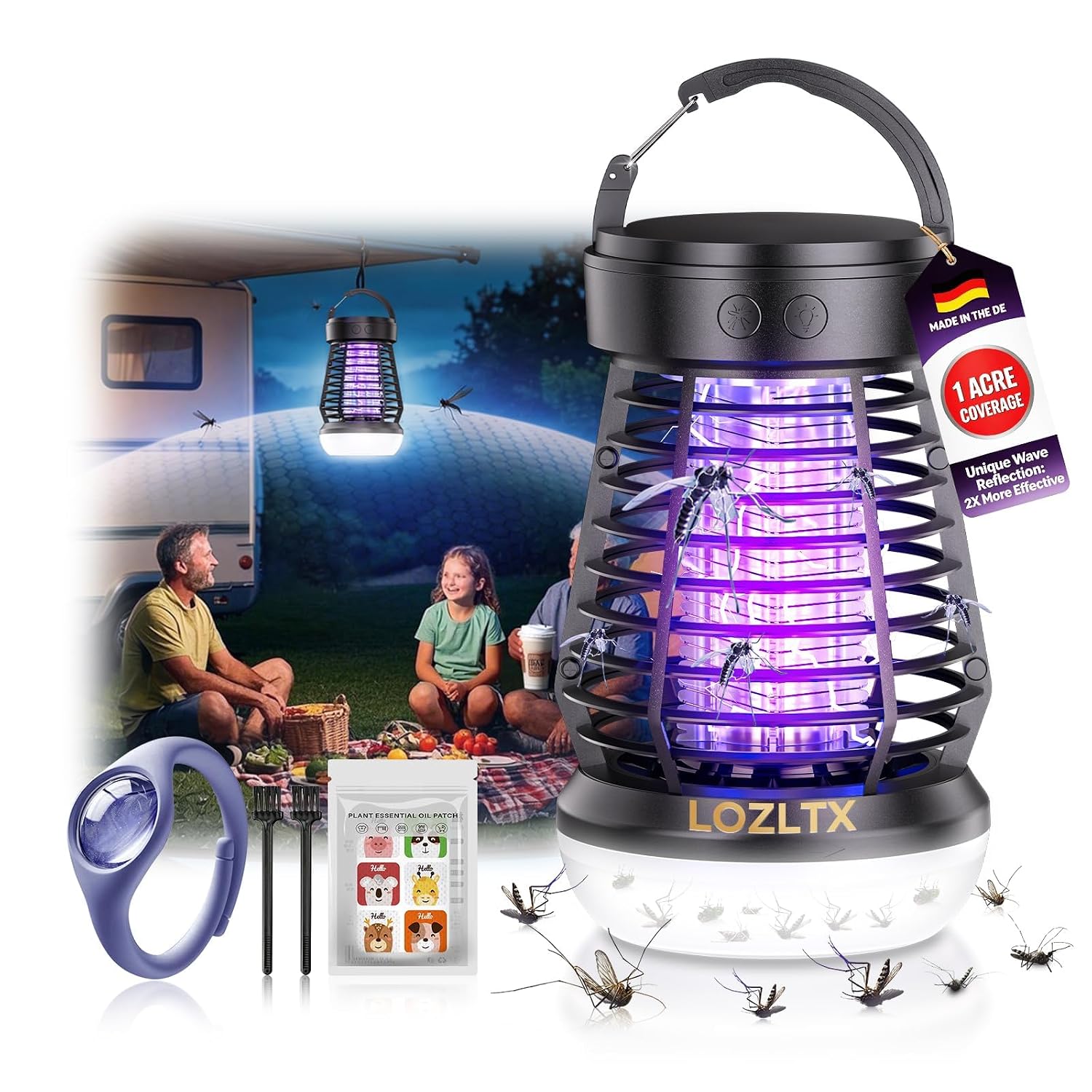
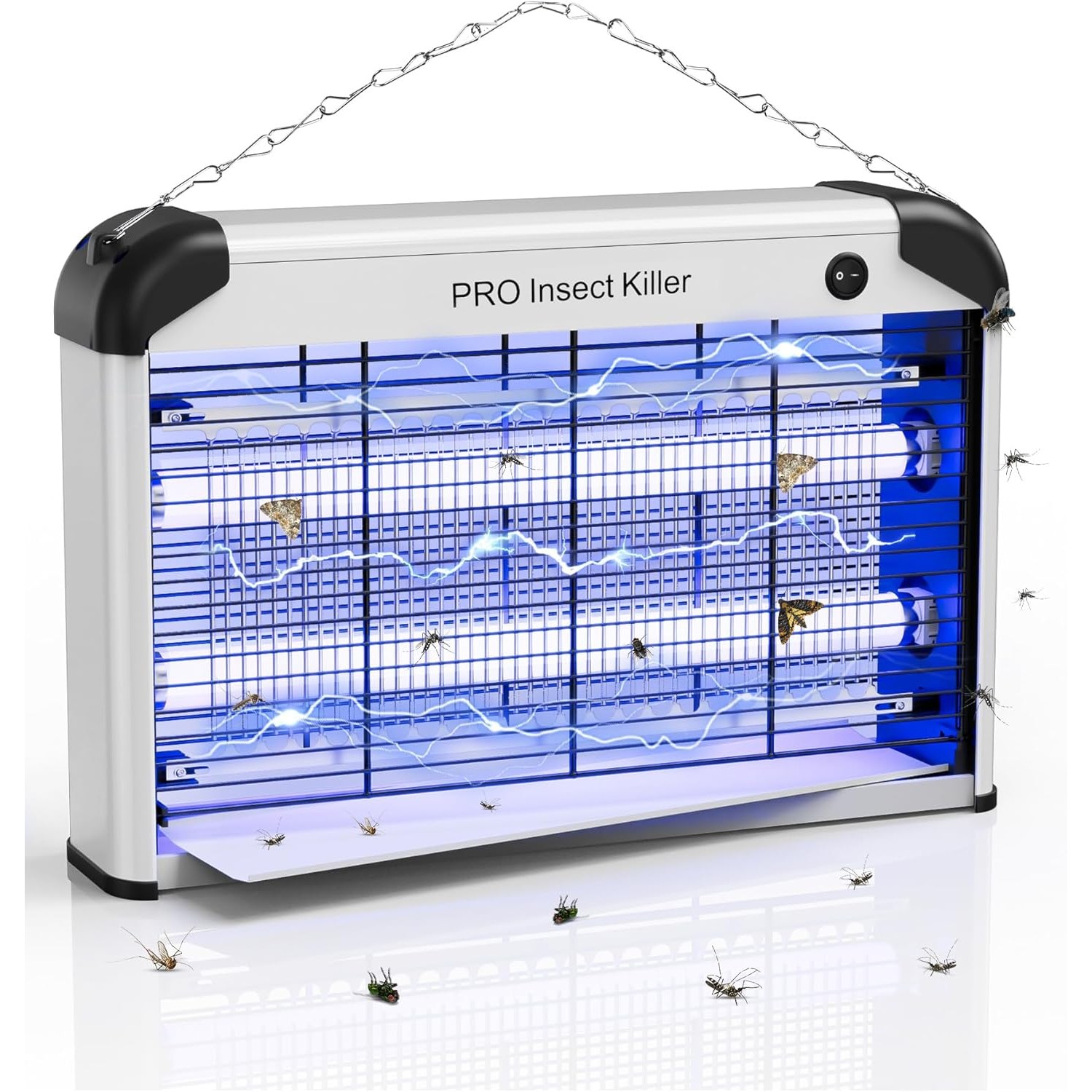
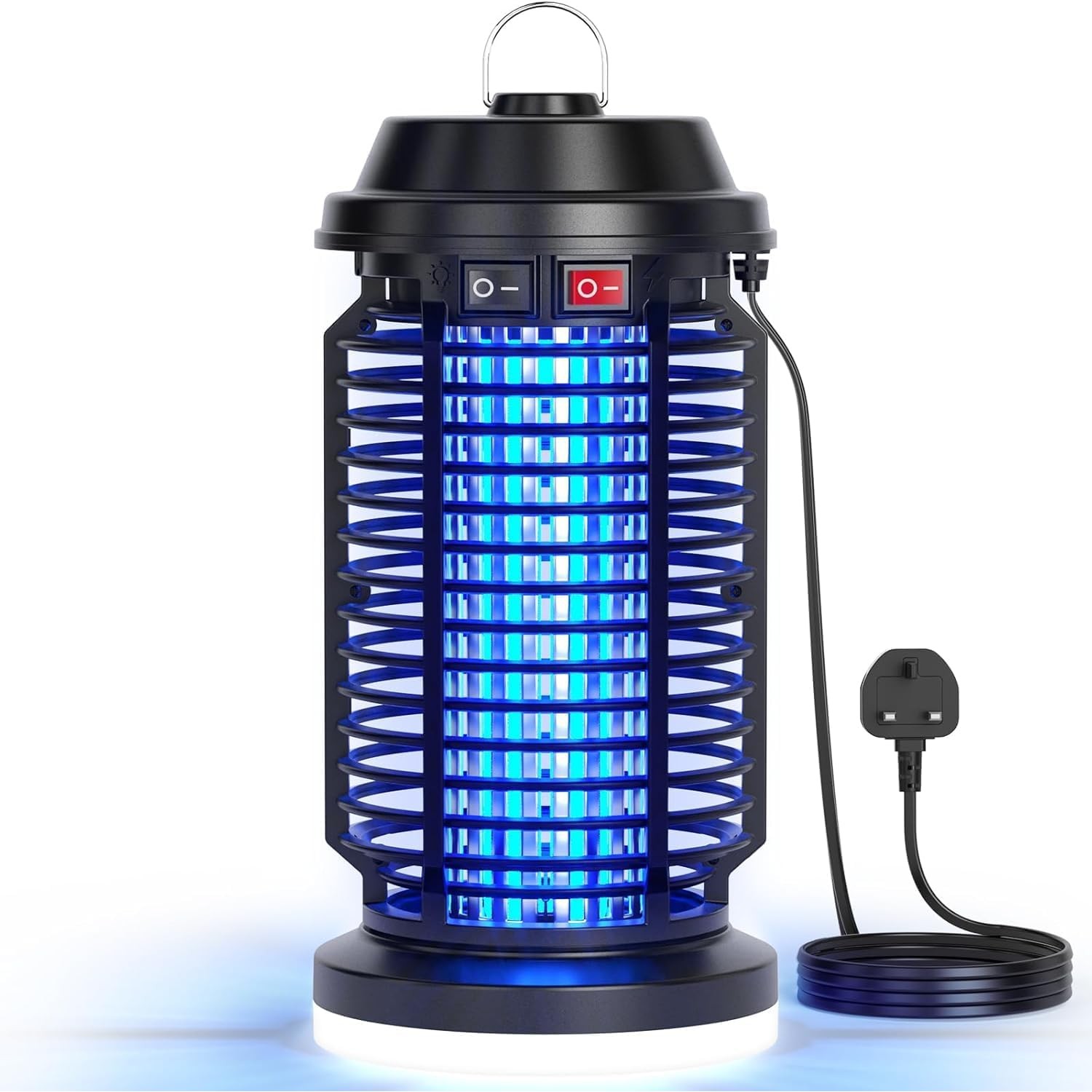
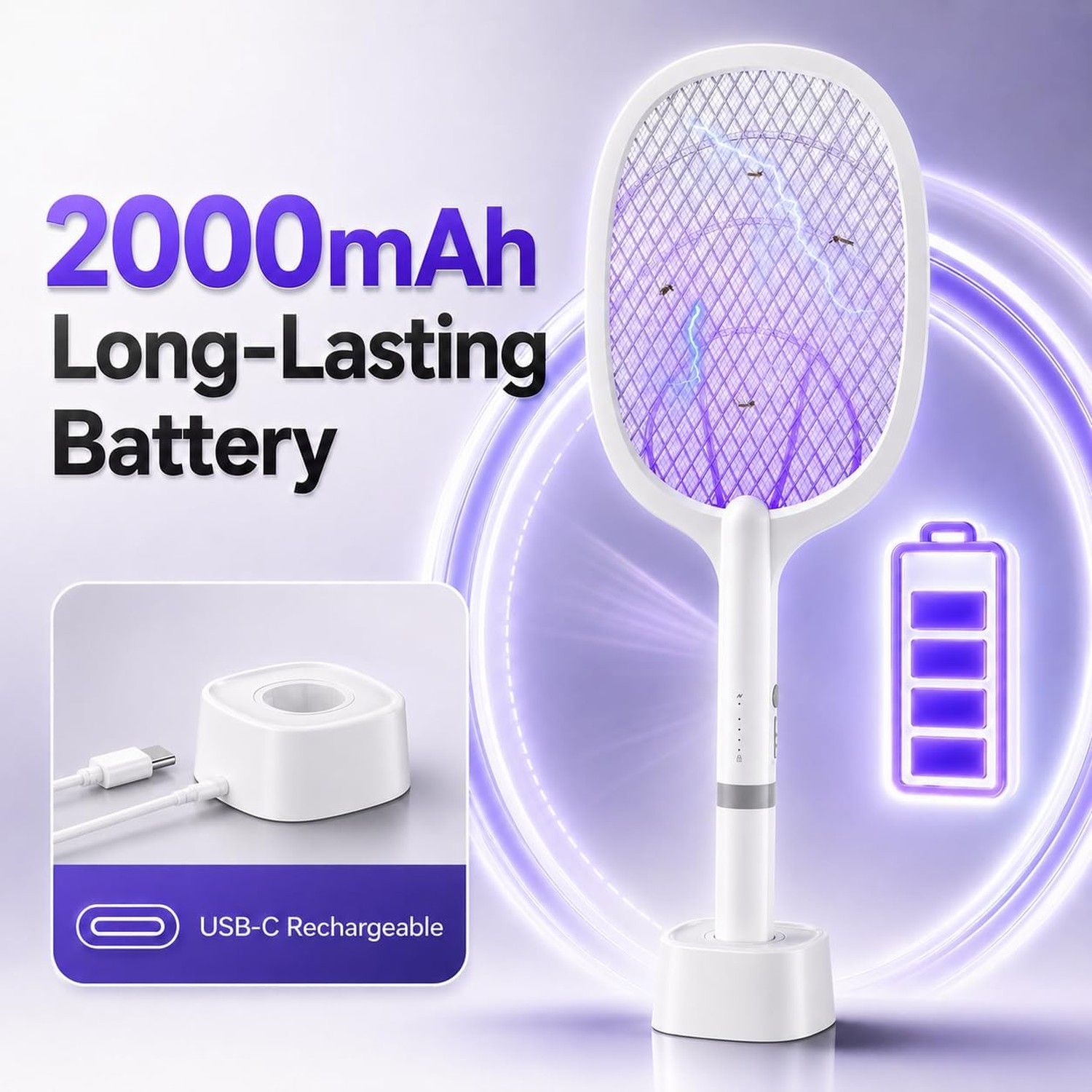
There are three broad types. A plug-in UV lamp is the hands-off option for a room — it draws insects with ultraviolet light and holds them on an electric grid. A waterproof outdoor zapper is the same idea in a weather-resistant body, made to hang on a patio or in a garage. An electric swatter is a handheld racket for dealing with a single fly or wasp on the spot. None is "best" — they solve different problems, and plenty of homes own more than one.
Coverage: match it to the space
UV zappers are rated by area, from compact units for one room up to lamps that cover around 5,000 sq ft or 160 m². Bigger isn't automatically better — an oversized lamp in a small room is just brighter than it needs to be, while an undersized one in an open-plan kitchen struggles. Every product page lists the coverage so you can match it to your space.
Where you put it changes everything
Insects head for the strongest ultraviolet source, so a zapper works best where its light isn't competing with a bright window, a lamp or a television. Place it a metre or so up, away from where people sit (so bugs are drawn past you, not to you), and run it through the evening when mosquitoes and flies are most active. A few consecutive nights makes a real dent, not just a one-off.
Safety and cleaning
Look for a protective mesh or grille over the grid — every unit we sell has one, and swatters use a multi-layer guard so a brush of the hand is harmless. Always unplug before cleaning, slide out the tray to empty it, and brush the grid clear every week or two in a busy room. Keep any zapper out of the reach of young children and pets.